THE AFRICAN COLLECTIVE
A Credible Afrocentric Resource

Africa, the Origin of Everything.

5000+ Years of Recorded History
7 Continents of Diaspora
54 African Nations Covered
∞ Living Lineages

Ancient African History

Click a shield to explore

Shield Ancient Nubia Shield AAARIA Shield Free eBook W.E.B. Du Bois Shield Reclaim Your History Shield Djehuti · Kemet University Shield UNESCO History of Africa Shield The Met · African Art Shield Stolen Legacy Shield British Museum · Egypt & Sudan Shield Meroë Pyramids 3D Shield Cornell Ancient Africa Shield Nat Geo · Kushite Pyramids Shield The Met · Great Zimbabwe Shield UNESCO · Lalibela Churches Shield UNESCO · Island of Meroë

The History That Predates All Others

Human civilization began in Africa. Every human alive today — regardless of where they live — descends from African ancestors walking the Rift Valley 300,000 years ago. This is not metaphor. This is biology, archaeology, and the unquestionable record of humanity's story. What follows is a chronicle of the kingdoms, innovations, and legacies that the world was built upon.

One Continuous Timeline

From the birth of Earth to the rise of civilizations — humanity's story begins in Africa

Phase I — The Scale of Existence

If Earth's 4.5 billion year history were compressed into a single bar, here is where humanity appears:

3.8B yrs — First Life
4.5B yrs ago — Earth Forms
Humanity ➜
Phase II — The Human Story Begins in Africa
3.8 Billion Years Ago First Life on Earth
300,000 Years Ago Homo Sapiens — Born in Africa
70,000 Years Ago Humans Migrate Out of Africa
~5000 BC First Civilizations — Nubia/Kush rises in Africa
Phase III — Civilizations vs. The World

Africa built the first civilizations. Here is when the rest followed:

African Middle East Asian European
Nubia/Kush (5000 BC – 370 AD)
Kemet/Egypt (3100 BC – 30 BC)
Mali (1235–1600)
Mesopotamia (3500 BC – 500 BC)
Assyria (2400 BC – 1000 BC)
Indus Valley (3300 BC – 1300 BC)
China (2100 BC – Present)
Greece (800 BC – 146 BC)
Rome (27 BC – 476 AD)
Euro Empires (1400–1900)
5000 BC 3000 BC 1000 BC 1 AD 1000 AD 2000 AD

African civilization preceded Greece by 4,200 years · preceded Rome by 5,027 years · preceded European empires by 6,400 years

Every human alive today — regardless of where they live — descends from African ancestors. The origin is not metaphor. It is biology.
The Civilizations

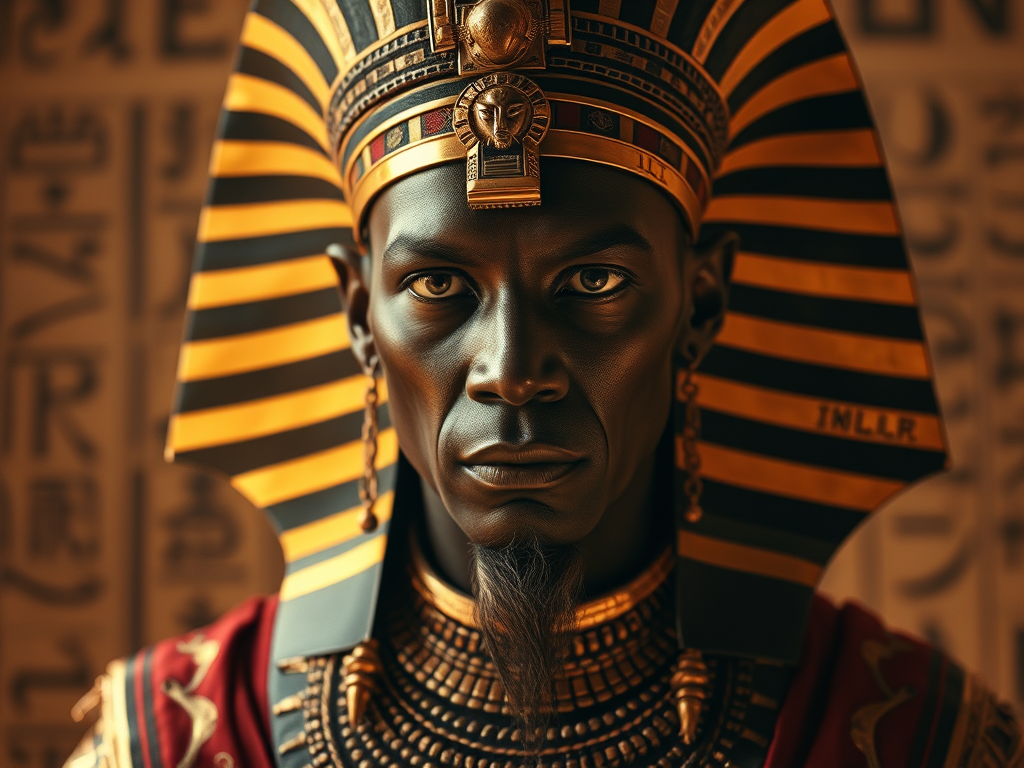
Nubian Pharaohs

Nubia & Kush

5000 BC – 370 AD

Empire of gold, incense, and military might. Nubian archers conquered Egypt itself.

ISAC Museum, University of Chicago
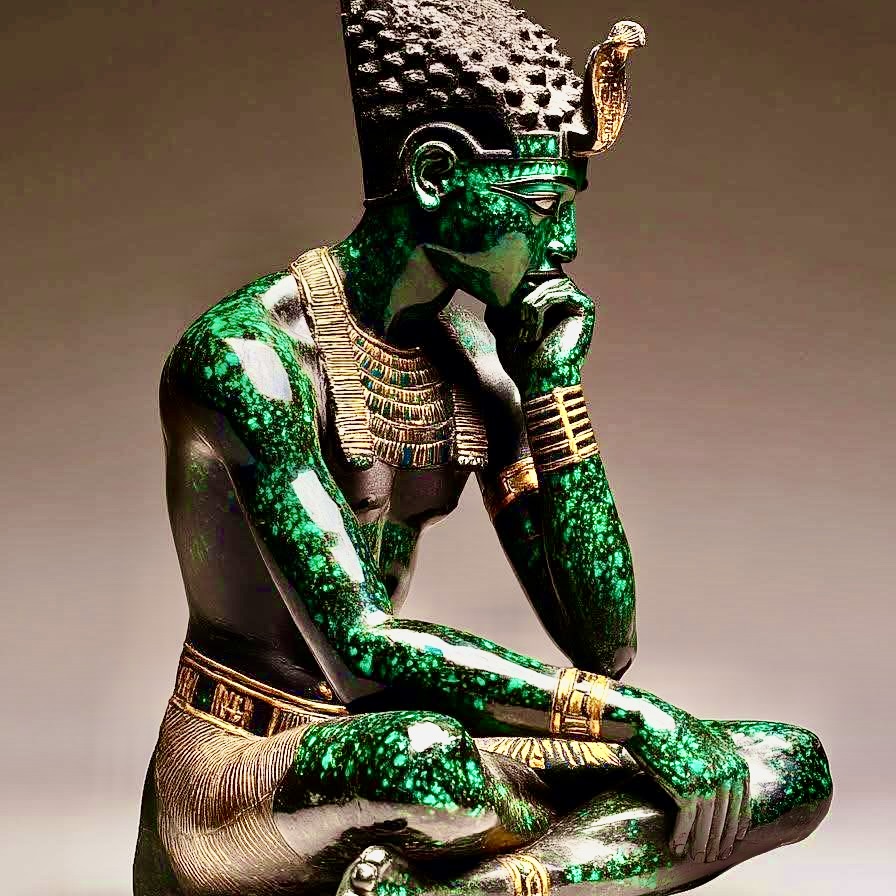
Egyptian Pharaoh Statue

Kemet (Ancient Egypt)

3100 BC – 30 BC

3,000 years of continuity. Architecture, mathematics, medicine, and governance that influenced the world.

Smithsonian African Art Museum
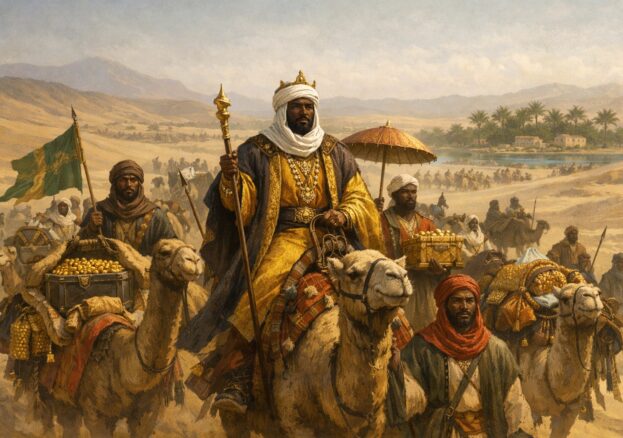
Mali Empire Royal Court

Mali Empire

1235 – 1670 AD

Mansa Musa. Timbuktu. Gold. The wealthiest empire on Earth in its time, controlling trade across Africa and beyond.

British Museum
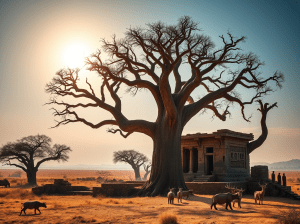
Great Zimbabwe Ruins

Great Zimbabwe

1100 – 1450 AD

Stone architecture in sub-Saharan Africa. Trade with China. A thriving metropolis long before European colonization.

UNESCO World Heritage
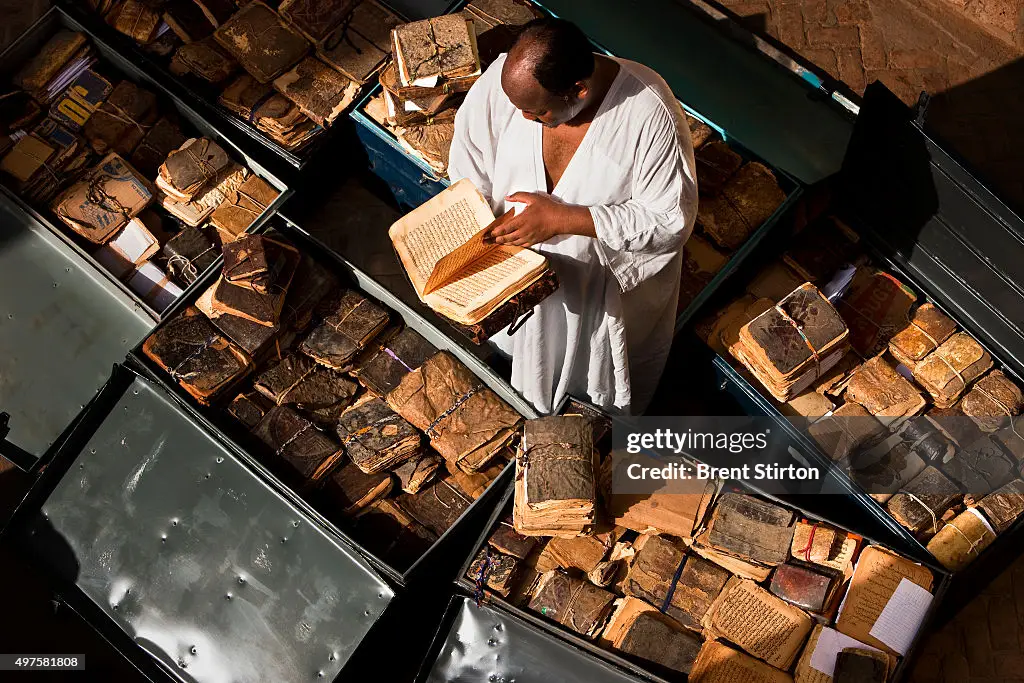
Timbuktu Ancient Manuscripts

Timbuktu

1300 – 1600 AD

City of 333 saints. Home to the University of Sankore and manuscripts of incalculable value. Africa's intellectual center.

Ahmed Baba Institute
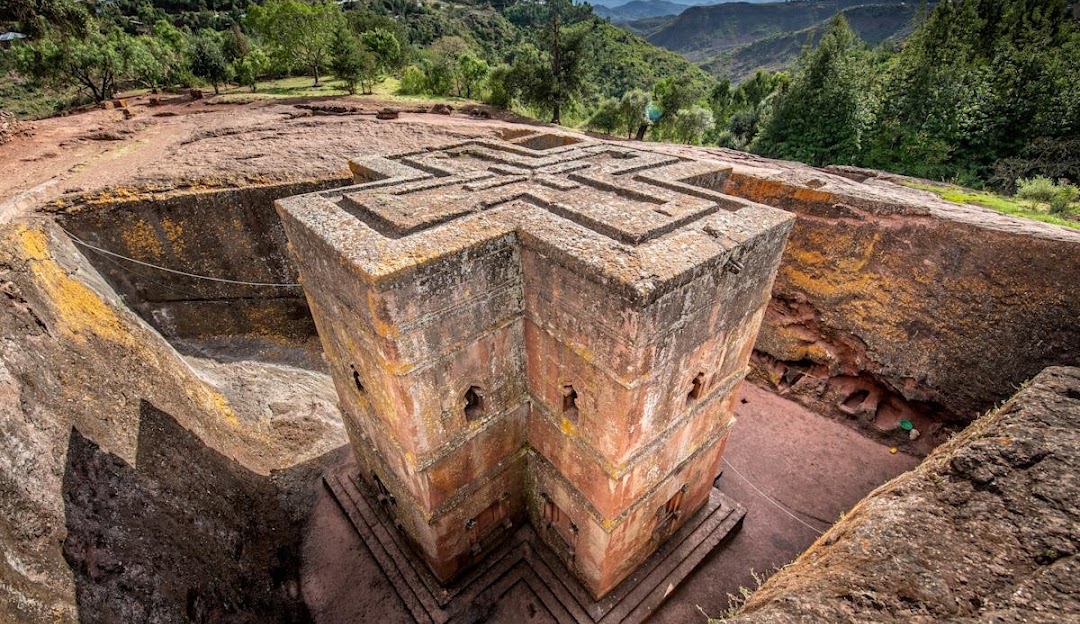
Church of St. George, Lalibela

Ethiopia & Aksum

100 – 940 AD

One of the only African nations to resist colonization. Aksumite civilization rivaled Rome, Persia, and China in power.

Ethiopian Heritage Trust

Essential Scholars & Historians of the African World

The scholars who documented, preserved, and reclaimed African history against odds designed to erase it.

Cheikh Anta Diop
Senegal, 1923–1986
Notable Works
Nations Nègres et Culture (1954)
The African Origin of Civilization: Myth or Reality (1974)
Precolonial Black Africa (1987)
Civilization or Barbarism (1991)
The Cultural Unity of Black Africa (1959)
Chancellor Williams
USA, 1905–1992
Notable Works
The Destruction of Black Civilization (1971)
The Rebirth of African Civilization (1961)
The Second Agreement with Hell (1950)
Have You Been to the River? (1952)
George G.M. James
Guyana, 1893–1956
Notable Works
Stolen Legacy: Greek Philosophy is Stolen Egyptian Philosophy (1954)
Ivan Van Sertima
Guyana, 1935–2009
Notable Works
They Came Before Columbus (1976)
Blacks in Science: Ancient and Modern (1983)
African Presence in Early Europe (1985)
African Presence in Early America (1987)
Egypt Revisited (1989)
Golden Age of the Moor (1992)
John Henrik Clarke
USA, 1915–1998
Notable Works
Christopher Columbus and the Afrikan Holocaust (1992)
Africans at the Crossroads (1991)
My Life in Search of Africa (1999)
Who Betrayed the African World Revolution? (1994)
Notes for an African World Revolution (1991)
Yosef Ben-Jochannan
Ethiopia/Puerto Rico, 1918–2015
Notable Works
Africa: Mother of Western Civilization (1971)
Black Man of the Nile and His Family (1972)
We the Black Jews (1938)
African Origins of the Major Western Religions (1970)
The Myth of Exodus and Genesis (1974)
Abu Simbel to Ghizeh (1989)

Ancient Nubia: A Deeper Dive

Nubians in the Central Nile Valley

The Nubian people inhabited the central and southern Nile Valley long before the rise of pharaonic Egypt. Archaeological evidence places Nubian settlements and early kingdoms in what is now Sudan as early as 5000 BCE. The Nubian civilization developed independently, with its own written language (Meroitic script), religious traditions, and political systems. Unlike the popular Western narrative that positions Africa as derivative of "foreign" influences, Nubian culture flourished as an autonomous center of power and innovation.

The Nile as Lifeline

The Nile River was not merely water — it was an economic, cultural, and spiritual axis. For the Nubians, control of the Nile meant control of gold mines, trade routes, and the wealth flowing from Central Africa. Nubian merchants and warriors commanded the trade in precious goods: elephant ivory, incense, ebony, and most critically, gold. This wealth financed monumental architecture, supported a sophisticated military, and elevated Nubian rulers to a status rivaling Egypt itself. The river enabled a civilization that lasted over 5,000 years.

Nubia Known as Kush

The Nubian empire became known to the ancient world as Kush (or Cush). At its height, the Kingdom of Kush controlled vast territories stretching from Egypt in the north to deep Central Africa in the south. The Kushites had their own pharaohs, built their own pyramids (in fact, more pyramids than Egypt), and established themselves as a superpower. When Egypt weakened during the Third Intermediate Period, Kushite kings didn't just trade with Egypt — they conquered and ruled it. The 25th Dynasty of Egypt (c. 747–656 BCE) was entirely Kushite.

Archers, Kings, and Pyramids

Nubian archers were legendary throughout the ancient world — so renowned that the Egyptians called Nubia "Ta-Seti," the "Land of the Bow." These archers formed the elite military corps and were so feared that empires recruited them as mercenaries. Nubian kings, particularly in the late Kingdom of Kush period, built pyramids of their own — different in style from Egyptian pyramids but equally impressive monuments to their power and vision of the afterlife. Over 200 pyramids from Kush still stand in Sudan today, a testament to engineering prowess and the permanence these rulers sought.

Source: Institute for the Study of Ancient Cultures, University of Chicago

W.E.B. Du Bois — "The Negro" (1915)

The Negro people, as a mass, as the vast majority of them are still living in the midst of slavery — not the chattel slavery of a hundred years ago, but a serfdom almost equally effective and far more degrading. And into the very heart of their consciousness has been driven the thought that they are slaves, fit only for slavery.

Du Bois's seminal work "The Negro," published in 1915, traces African history from ancient times through the African diaspora. Below are the ten chapters — each a revelation about African civilizations, contributions, and the systemic erasure of African agency in world history.

Read the Full Text Free
All 10 chapters available on Project Gutenberg

Dr. Solange Ashby's Egyptology Podcast

Host: Dr. Solange Ashby, Egyptologist & Historian
A podcast series exploring the archaeology, politics, daily life, and profound accomplishments of ancient Egypt. From the construction of the pyramids to the roles of women in pharaonic society, Dr. Ashby synthesizes primary sources, recent archaeological findings, and scholarly consensus to paint a vivid picture of one of humanity's greatest civilizations. Each episode challenges Eurocentric narratives and restores Egyptian agency and genius to its rightful place in world history.
Listen to Dr. Ashby's Egyptian History Overview ↗

Current Events

Modern Africa. Modern people. Technology, capital, culture, and agency reshaping the continent and its diaspora right now. This is not a story of charity or development — it is the story of African innovation, entrepreneurship, and influence in the 21st century.

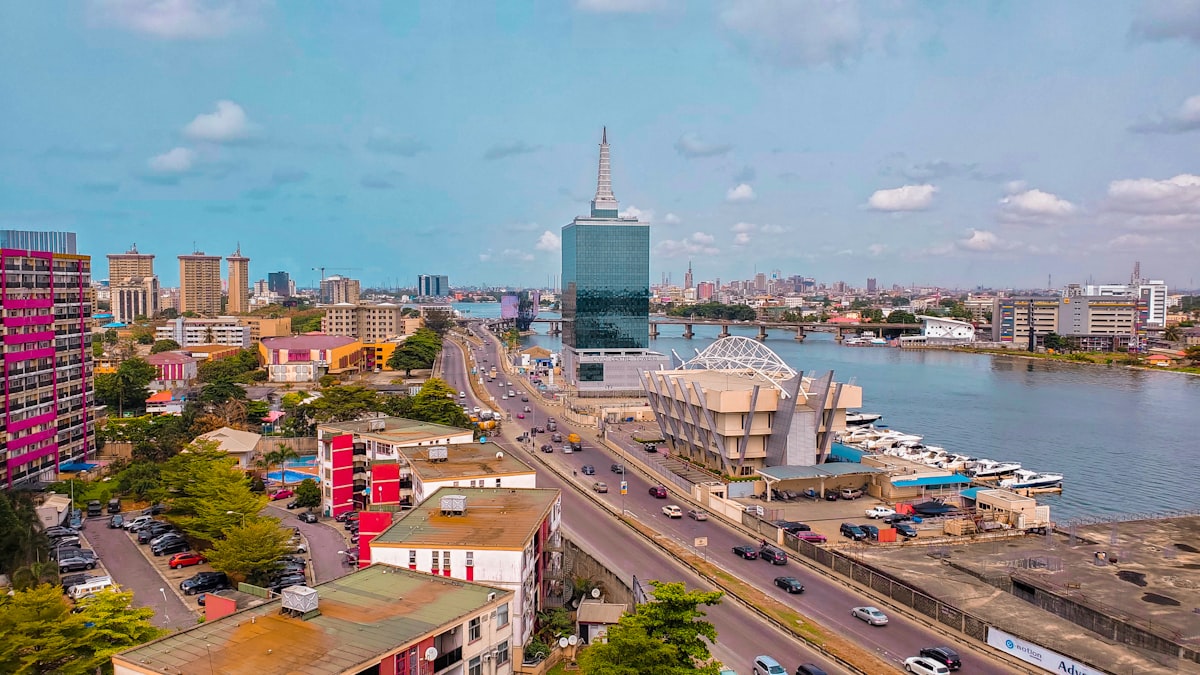
Lagos, Nigeria
Lagos, Nigeria
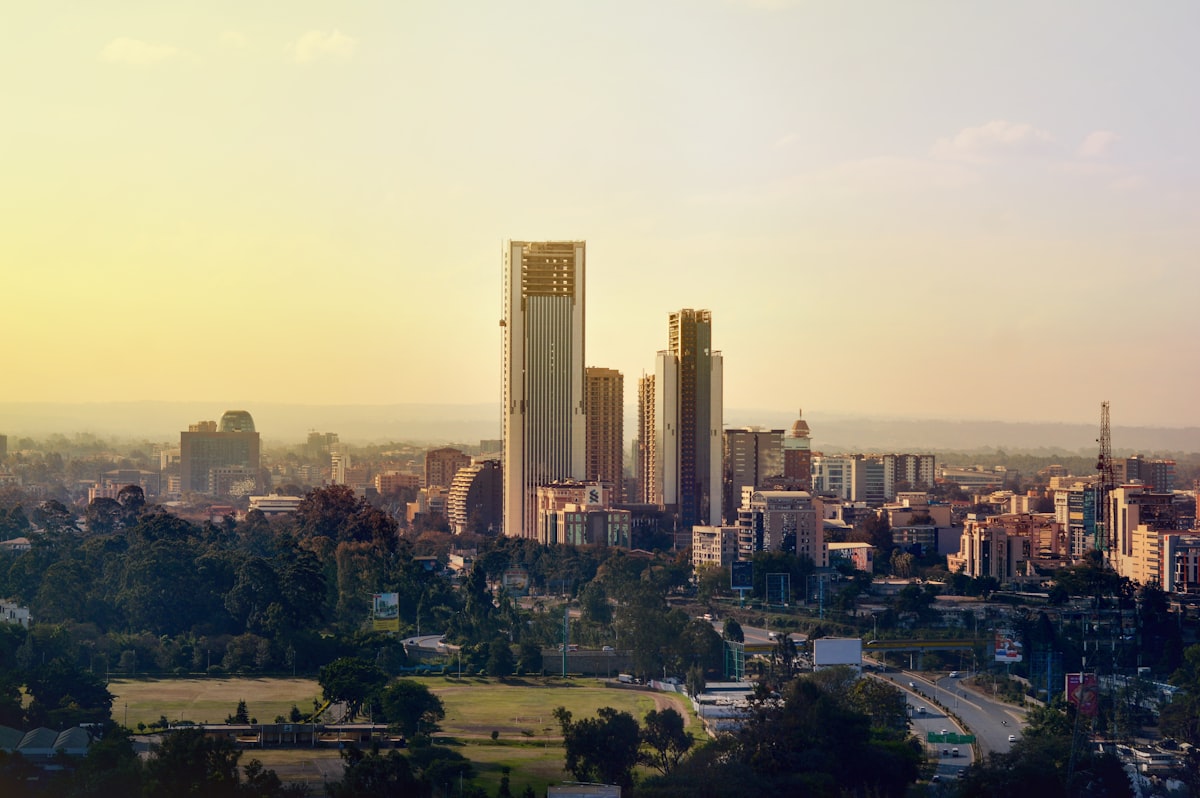
Nairobi, Kenya
Nairobi, Kenya
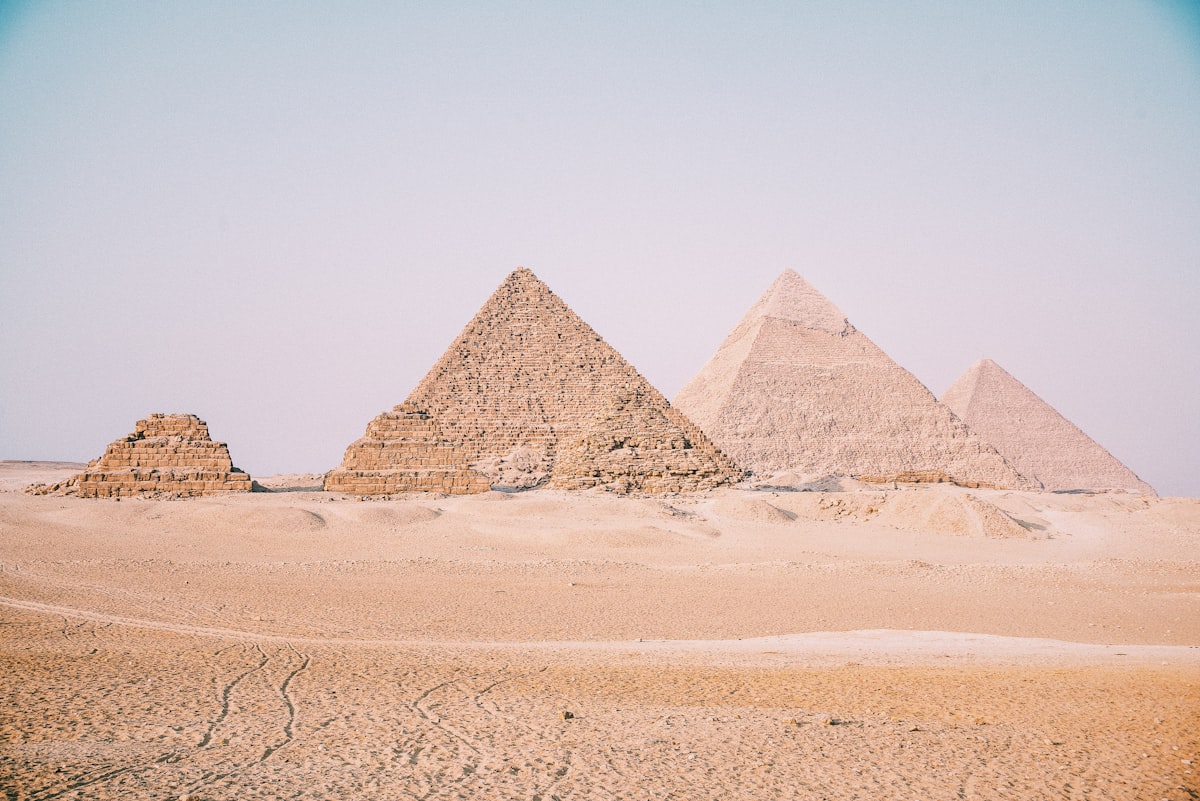
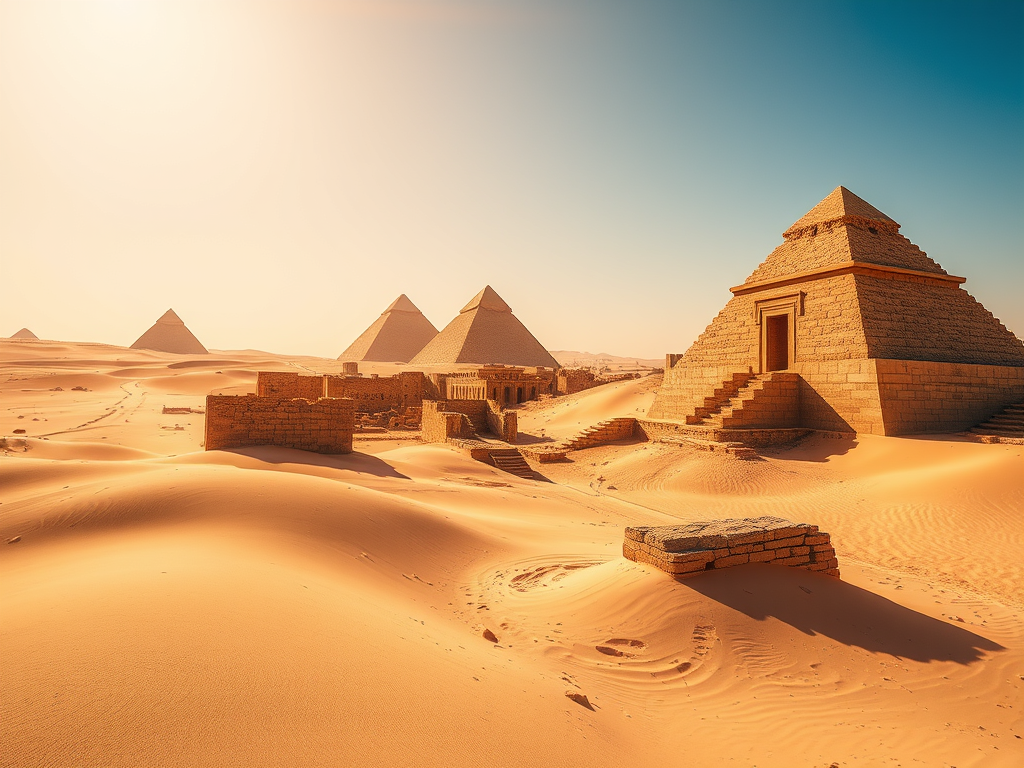
Giza, Egypt
Giza, Egypt

AI & Tech in Africa

Click a shield to explore

Shield 23 African AI Startups Shield Ghana's $1B AI Hub Shield AI $10 Billion Initiative Shield 25 Startups to Watch Shield Safaricom AI & M-Pesa Shield Africa's AI Standards Shield Nairobi AI Forum 2026 Shield $1.5T Green Computing Shield Startups On Our Radar Shield Google AI First · Africa Shield $4.1B Startup Ecosystem Shield Africa Tech Summit 2026 Shield Zerobionic · AI Robots

Recent Milestones

Flutterwave Reaches $26 Billion Valuation

African fintech unicorn Flutterwave becomes the continent's most valuable startup, handling payments across Africa, Europe, and the diaspora.

Black American VC Funding

Record venture capital flows to Black entrepreneurs in the US, with many redirecting capital toward African startups and diaspora-led innovations.

Kigali Drone Delivery

Rwanda's ambitious drone program delivers medical supplies and goods across rural areas, positioning the nation as Africa's tech hub.

Caribbean Digital Currency

Caribbean nations launch DCASH, a regional digital currency backed by African fintech and cryptocurrency expertise, reducing dependence on US dollar hegemony.

Afrobeats Streaming Record

Afrobeats surpasses Latin music as the fastest-growing genre globally. Artists like Wizkid, Burna Boy, and Rihanna define global pop culture.

Ethiopia's Modern Railway

The Addis Ababa-Djibouti Railway, built with Chinese investment but staffed and managed by Ethiopians, transforms logistics across East Africa.

Brazil Advances Reparations

Brazil's Senate moves toward reparations for descendants of enslaved Africans, acknowledging the economic debt owed to Black Brazilians.

Pan-African Space Program

Multiple African nations collaborate on satellite technology and space exploration, signaling continental ambitions beyond Earth.

$4.1 Billion Raised by African Startups

African tech startups raised over $4.1 billion in funding, with Nigeria, Kenya, Egypt, and South Africa leading the charge. Fintech, healthtech, and agritech dominate the ecosystem.

Benin Bronzes Return Home

Germany returned over 1,100 looted Benin Bronzes to Nigeria. The Netherlands followed with 119 artifacts. Ghana received 130 gold artifacts from the UK. The global movement to repatriate African art is accelerating.

Edo Museum of West African Art

Designed by Ghanaian-British architect David Adjaye, the Edo Museum of West African Art in Benin City, Nigeria will house returned Benin Bronzes — Africa's first world-class repatriation museum, set to open in 2026.

Zerobionic: African AI Robotics

South African startup Zerobionic is building humanoid AI robots for African industries — from mining to agriculture — positioning the continent as a player in the global robotics revolution.

Africa's $10B AI Initiative

The African Development Bank and UNDP launched a $10 billion initiative at the 2026 Nairobi AI Forum to accelerate AI adoption across the continent, funding research, infrastructure, and homegrown AI startups.

The Diaspora

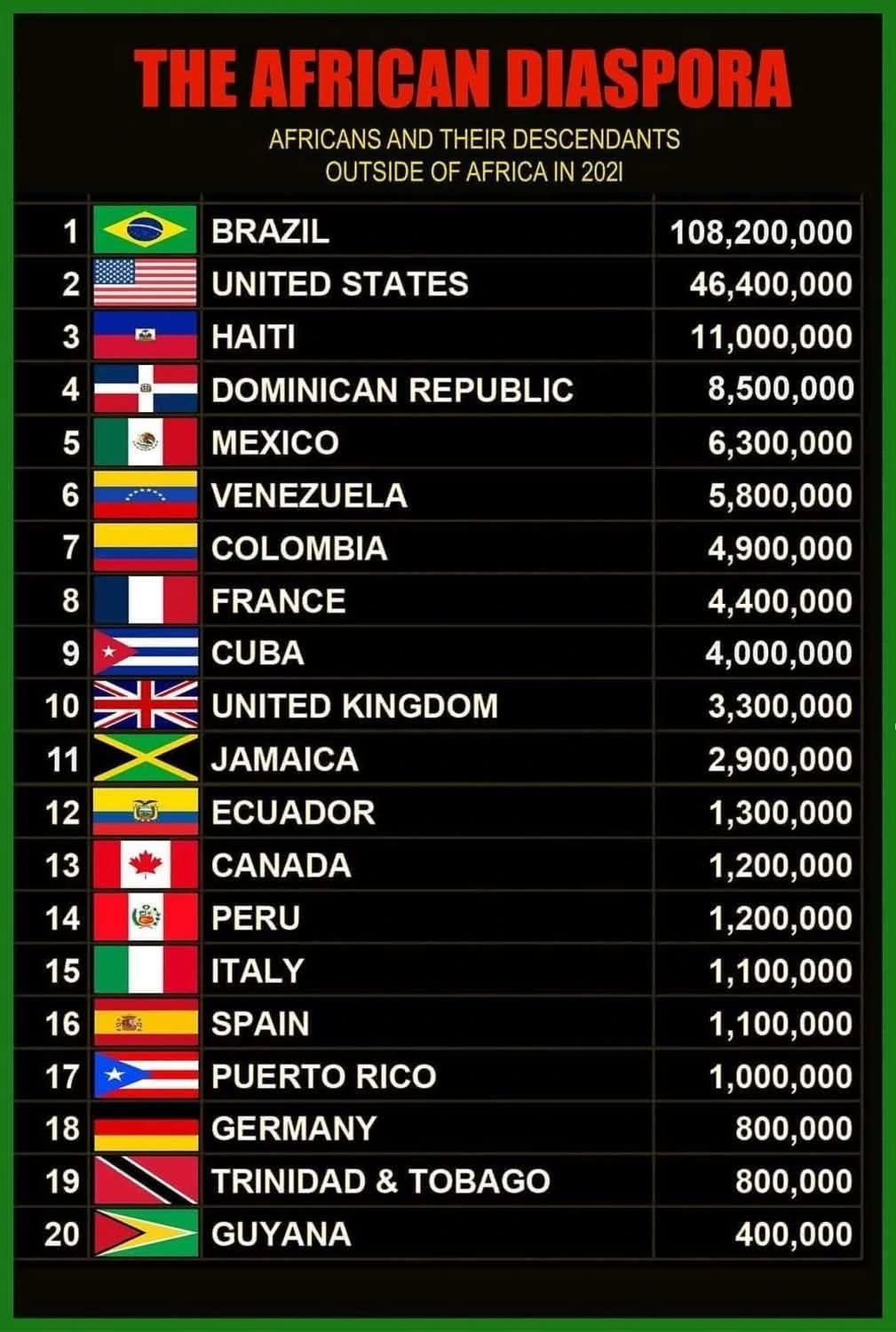
From Argentina to Angola, from Zaire to Zimbabwe, from London to Lagos — the African diaspora is humanity's greatest forced migration and humanity's greatest story of survival.
The transatlantic slave trade was not the beginning of African diaspora — it was a chapter, though the most violent and systematic. Africans traded, migrated, and built civilizations across the Mediterranean, the Indian Ocean, and through the Sahara for millennia. Today, over 300 million people of African descent live outside the African continent. Their contributions to music, art, cuisine, science, and every domain of human achievement are the heartbeat of the modern world.
African Diaspora Population by Country
Country/Region
Diaspora Population
Percentage
Brazil
108.2M
United States
46.4M
Haiti
11M
Colombia
9.8M
Dominican Republic
8.2M
Jamaica
2.9M
United Kingdom
2.4M
France
2.1M

Explore the Diaspora

Click a shield to explore

ShieldWhere Is the Diaspora? ShieldSmithsonian NMAAHC ShieldDigital Schomburg ShieldHaitian Revolution Archive ShieldTrace Your Roots ShieldMusic of the Black Atlantic ShieldSearchable Museum ShieldDiaspora Archives ShieldGarifuna Heritage (UNESCO) ShieldBelizean Studies ShieldMoAD San Francisco ShieldInt'l African American Museum ShieldBenin Bronzes Repatriation ShieldTrans-Atlantic Slave Voyages

The Haitian Revolution

Only successful slave rebellion resulting in the founding of a nation. Haiti's revolution sent shockwaves through the Caribbean and the world, proving that African people would not submit to enslavement.

Afro-Brazilians

Over 100 million Brazilians claim African heritage. Brazil's samba, capoeira, and Carnival culture are African creations that define the nation's identity and influence global culture.

The Siddi

African diaspora in India and the Indian Ocean. Siddis are descendants of African sailors, merchants, and soldiers who integrated into South Asian societies centuries before the modern era.

The Black Jacobins

C.L.R. James' masterwork on the Haitian Revolution — a political and intellectual thriller revealing how enslaved Africans became the architects of freedom in the Caribbean.

The Windrush Generation

Post-WWII Caribbean migration to Britain. The Windrush challenged British identity, culture, and exposed the racist foundations of the "mother country" that ruled their islands.

The Maroons

Enslaved Africans who escaped plantations and built independent societies in the mountains and forests of the Caribbean and Americas. They resisted colonialism for centuries.

Afro-Latin America

The African diaspora in Latin America spans Mexico, Peru, Colombia, and beyond. African cultural, musical, and spiritual traditions shape Latin American identity.

The Garifuna of Belize

The Garifuna — descendants of West African, Carib, and Arawak peoples — settled along the coast of Belize, Honduras, and Guatemala after resisting British colonialism on St. Vincent. Their language, punta music, and dugu spiritual traditions were proclaimed a UNESCO Masterpiece of Oral and Intangible Heritage in 2001. In Belize, Garifuna Settlement Day (November 19) is a national holiday honoring their 1832 arrival in Dangriga.

Afro-Belizeans & Creole Culture

Creole Belizeans — descendants of enslaved West Africans and European settlers — form the cultural backbone of Belize. Kriol, a Creole language rooted in English and West African languages, is the most widely spoken language in Belize. From Brukdown music to rice and beans, from Belize City to the cayes, Afro-Belizean culture defines the nation's identity, its resistance, and its joy.

The Benin Bronzes: African Art Coming Home

In 1897, British soldiers looted thousands of bronze sculptures from the Kingdom of Benin (modern-day Nigeria) — among the most sophisticated metalwork in human history. For over a century, these masterpieces sat in Western museums. Now, the tide is turning. Germany returned over 1,100 pieces. The Netherlands returned 119 artifacts. The Smithsonian, the Met, and universities worldwide are following suit. The Edo Museum of West African Art, designed by David Adjaye, is set to open in Benin City as a permanent home for the returned treasures — a symbol of African art reclaimed.

Afro-Europeans

Millions of people of African descent live across Europe — in France, the UK, Germany, the Netherlands, Portugal, and beyond. From the Afro-Portuguese communities shaped by 500 years of colonial history, to the vibrant Afro-German culture emerging in Berlin, to the Caribbean communities in Amsterdam and London — the African diaspora in Europe is reshaping the continent's culture, politics, and identity.

A Repository Built for People Who Are Ready to Know

From the first humans in the Rift Valley to the boardrooms of Lagos, from Timbuktu scholars to Silicon Valley engineers, from Nubian pharaohs to modern revolutionaries — African people have shaped every corner of human civilization. This archive exists because that history was always there. It was always kept. Now, it is reclaimed.

The African Collective is an open, credible, and continuously updated resource for anyone seeking to understand African history, culture, and contemporary influence. We center African sources, African scholars, and African voices. We do not ask for apologies or sympathy — we present facts, records, and the undeniable legacy of African genius and contribution to world civilization.